跨境电商物流中的核心地位及其面临的挑战与解决方案
跨境电商物流作为传统物流体系的新兴形态,面临数据共享不全、物流成本高、配送效率低下等关键挑战,为应对这些问题,通过构建数据共享平台、优化智能算法、实施多层级物流体系等解决方案,能够有效提升物流效率和用户体验。
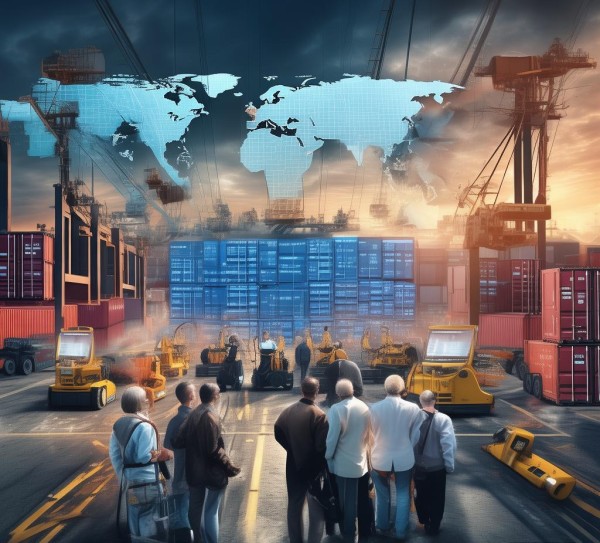
h2 id="id1" 千万 Important Challenges of Cross-Export Logistics
在跨境电商快速发展的今天,物流作为连接中国与世界各国的重要通道, becomes one of the most critical aspects of cross-border e-commerce operations. As the number of cross-border logistics demands continues to grow, the challenges thatShopify和相关从业者 face are increasingly complex and multifaceted. Below is an in-depth look at these key challenges and potential solutions.
h2 id="id2" The Solutions for Cross-Export Logistics
To address these challenges and enhance logistics efficiency, the following solutions have emerged:
-
Optimizing Logistics Infrastructure
Enhancing international logistics infrastructure, such as building international logistics hubs, strengthening logistics channels, and establishing logistics service centers, can improve logistics efficiency and response time. -
Introducing International Logistics Platforms
Leveraging international logistics platforms like DHL, UPS, and FedEx, which offer efficient international transportation services, can help reduce logistics costs and delays. -
Strengthening Logistics Service Standardization
Improving the standardization of logistics services, including enhancing the professionali and regularity of logistics services, can reduce human error and streamline processes. -
Building International Logistics Collaboration Mechanis
Strengthening collaboration between logistics providers and logistics centers, such as the Chinese logistics center and international logistics platforms, can enhance service quality and client satisfaction. -
Improving Logistics Contract Management
Strengthening the management of logistics contracts, including establishing clear contract clauses to ensure transparency and traceability of logistics services, can enhance client trust and satisfaction. -
Introducing Artificial Intelligence and Data ytics
Utilizing AI and data ytics can optimize logistics routes and enhance route optimization, improving logistics efficiency and cost savings. -
Enhancing Logistics Transparency and Response Speed
Increasing the transparency of logistics information and improving response speeds can provide clients with more timely and accurate information about logistics status. -
Building a Robust International Logistics Network
Strengthening the construction of an international logistics network, including building multiple logistics channels and hubs, can reduce logistics costs and improve transportation efficiency. -
Implementing Logistics Cost Control and Management
Optimizing logistics transportation routes and reducing logistics costs can enhance overall logistics efficiency and profitability. -
Establishing a Robust Logistics Risk Management Mechani
Developing a robust logistics risk management mechani, including identifying and addressing potential risks, can ensure the quality and stability of logistics services.
h2 id="id3" Conclusion
As cross-border e-commerce continues to grow, addressing the key challenges in logistics is essential for fostering growth and success. By optimizing logistics infrastructure, introducing international logistics platforms, strengthening service standardization, building collaboration mechanis, improving contract management, leveraging AI and data ytics, enhancing transparency, constructing a robust logistics network, controlling logistics costs, and establishing a risk management mechani, we can significantly improve logistics efficiency and customer satisfaction. These solutions not only benefit businesses but also contribute to the long-term development of cross-border e-commerce.
提示:
- 以下建议可作为补充内容或进一步优化:
- 可以加入具体的物流平台案例或政策支持措施。
- 增加对政策法规的理解背景,说明政策限制的现状及其对物流的影响。
- 可以提到具体的解决方法,如物流信息透明化、智能化平台的引入等。 对你有所帮助!